
 Image 1 of 4
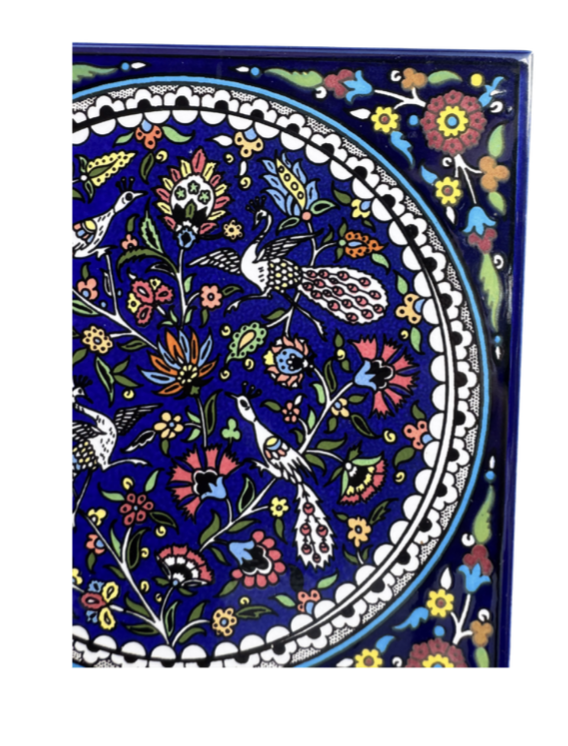 Image 2 of 4
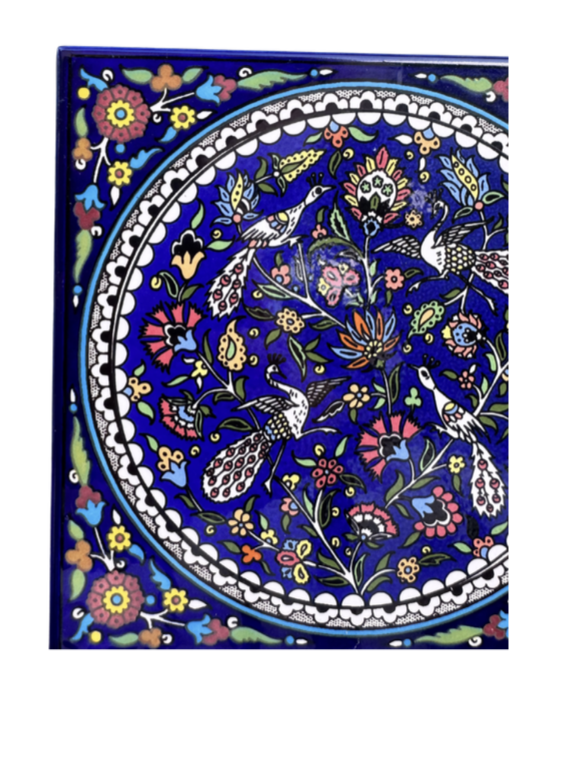 Image 3 of 4
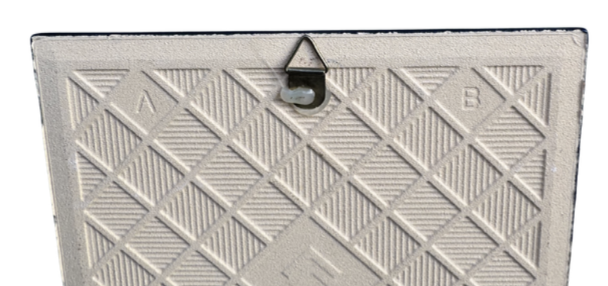 Image 4 of 4
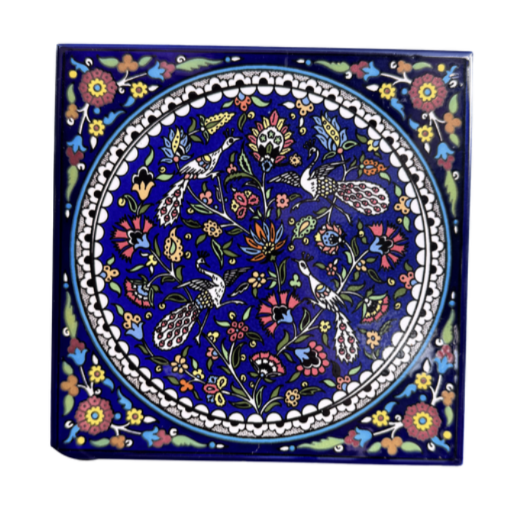
A magnificent hand-painted decorative ceramic wall tile on a deep cobalt blue ground, featuring an intricate central medallion teeming with cranes, peacocks, and fantastical birds amid a profusion of flowering botanical motifs — carnations, tulips, and arabesque foliage — all framed by a delicate white lace-pattern border and a vivid polychrome outer field. The density of the composition and the richness of the cobalt are breathtaking. Ready to hang, with original metal hanging hardware on the reverse.
Time Period: c. Late 20th century
Origin: Turkey or Jerusalem — consistent with Kütahya or Armenian Jerusalem ceramic tile tradition
Design Style: Ottoman / Iznik-Inspired / Armenian Ceramic Art
Condition: Excellent — glaze vivid and pristine; no chips or losses; hanging hardware intact
Provenance: This tile sits within one of the world's great decorative ceramic traditions. The Iznik and Kütahya potteries of Turkey have produced cobalt-ground floral and bird compositions since the 15th century, under the patronage of the Ottoman court. The Armenian ceramic tradition of Jerusalem's Old City — established in the early 20th century — developed a closely related vocabulary of cobalt, white, and polychrome botanical tiles that are now among the most collectible examples of living folk art in the Middle East. Both traditions command strong collector interest globally.
Collection: La Tropicana
Category: Wall Art & Mirrors
Minor variations from the images may occur unless otherwise noted. All sales are final.
A magnificent hand-painted decorative ceramic wall tile on a deep cobalt blue ground, featuring an intricate central medallion teeming with cranes, peacocks, and fantastical birds amid a profusion of flowering botanical motifs — carnations, tulips, and arabesque foliage — all framed by a delicate white lace-pattern border and a vivid polychrome outer field. The density of the composition and the richness of the cobalt are breathtaking. Ready to hang, with original metal hanging hardware on the reverse.
Time Period: c. Late 20th century
Origin: Turkey or Jerusalem — consistent with Kütahya or Armenian Jerusalem ceramic tile tradition
Design Style: Ottoman / Iznik-Inspired / Armenian Ceramic Art
Condition: Excellent — glaze vivid and pristine; no chips or losses; hanging hardware intact
Provenance: This tile sits within one of the world's great decorative ceramic traditions. The Iznik and Kütahya potteries of Turkey have produced cobalt-ground floral and bird compositions since the 15th century, under the patronage of the Ottoman court. The Armenian ceramic tradition of Jerusalem's Old City — established in the early 20th century — developed a closely related vocabulary of cobalt, white, and polychrome botanical tiles that are now among the most collectible examples of living folk art in the Middle East. Both traditions command strong collector interest globally.
Collection: La Tropicana
Category: Wall Art & Mirrors
Minor variations from the images may occur unless otherwise noted. All sales are final.